Greece
Southern Europe
Drag to pan · scroll to zoom · click a country to open it
About
Greece, officially the Hellenic Republic, is a country of 10 million people on the southern tip of the Balkan peninsula in Southeast Europe. With nine regions and thousands of islands, it has the longest coastline on the Mediterranean. The Ionian Sea is west of the mainland, Albania northwest, and North Macedonia and Bulgaria north. Turkey is east both by land and the Aegean Sea. The capital, Athens, is the largest Greek city, followed by Thessaloniki and Patras.
Read more on Wikipedia →The Flag
History
No flag history available.
Design & symbolism
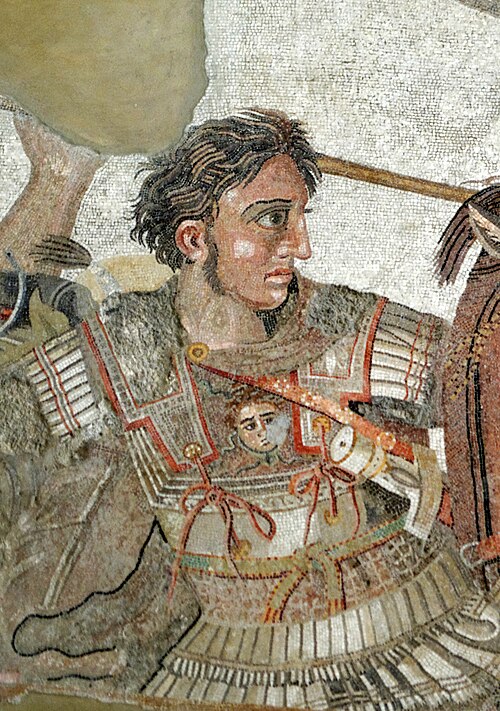
Several Greek researchers have attempted to establish a continuity of usage and significance of the blue and white colours, throughout Greek history. Usages cited include the pattern of blue and white formations included on the shield of Achilles, the apparent connection of blue with goddess Athena, some of Alexander the Great's army banners, possible blue and white flags used during Byzantine times, supposed coats of arms of imperial dynasties and noble families, uniforms, emperors' clothes, patriarchs' thrones etc., documented 15th century versions of the Byzantine Imperial Emblems and, of course, cases of usage during the Ottoman rule and the Greek revolution. A flag consisting of eight horizontal alternating blue and white stripes used by Greeks as a sea flag, is described by a number of sources, since at least 1810 and through the revolution, suggesting a strong connection with the original naval flag. On the other hand, the Great Greek Encyclopedia notes in its 1934 entry on the Greek flag that "very many things have been said for the causes which lead to this specification for the Greek flag, but without historical merit".
Looks like
Flags often confused with this one — tap one to compare side by side.
Photos